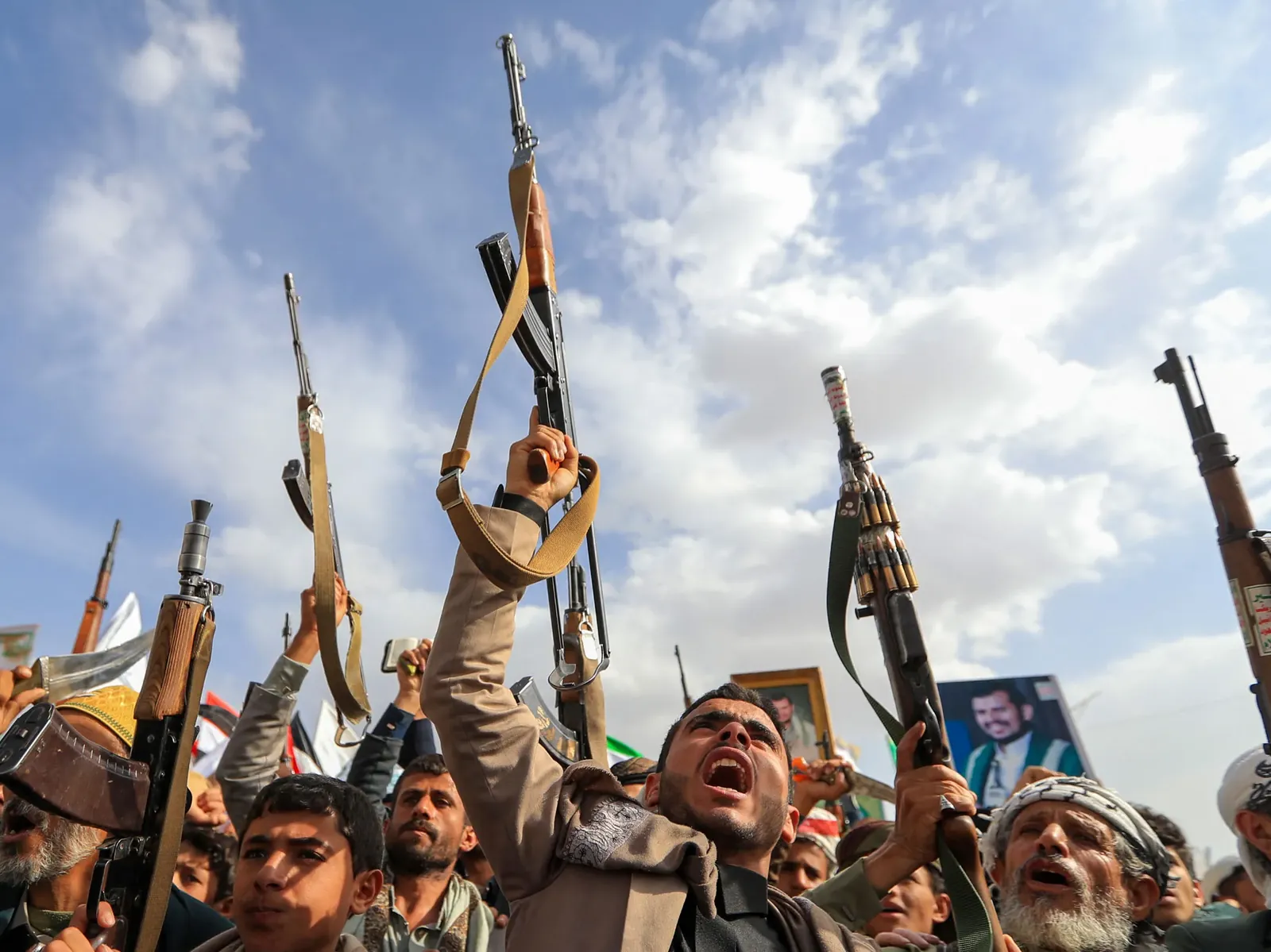
Kenya has condemned the latest wave of Houthi rebel attacks on Saudi Arabia and expressed solidarity with the kingdom, as concern grows about the impact of the conflict on Kenya’s fuel supply.
Prime Cabinet Secretary and Cabinet Secretary for Foreign and Diaspora Affairs Musalia Mudavadi conveyed Kenya’s position in a phone call with Saudi Vice Minister of Foreign Affairs Waleed Elkhereiji on Thursday, October 15, according to the Saudi Press Agency. He offered condolences to the families of victims and wished the injured a quick recovery.
Attacks on civilian infrastructure
The attacks follow the collapse of an informal ceasefire that had held for about four years. According to Saudi-led coalition figures, strikes on five Saudi airports have killed 19 people and injured 364. At King Khalid International Airport in Riyadh alone, at least 14 people were killed and more than 300 injured, and operations were temporarily suspended. Houthi forces also reportedly struck the headquarters of Saudi Aramco.
Why it matters for Kenya
Kenya imports a large share of its fuel from Saudi Arabia under a government-to-government arrangement. Any disruption to Saudi production or shipping could affect supply through Kenya’s pipeline network and add to pressure on pump prices, which rose again in mid-October.
The government has extended the reduced 8% VAT rate on fuel for a further 90 days, with the option of another extension if the situation in the Middle East does not improve.