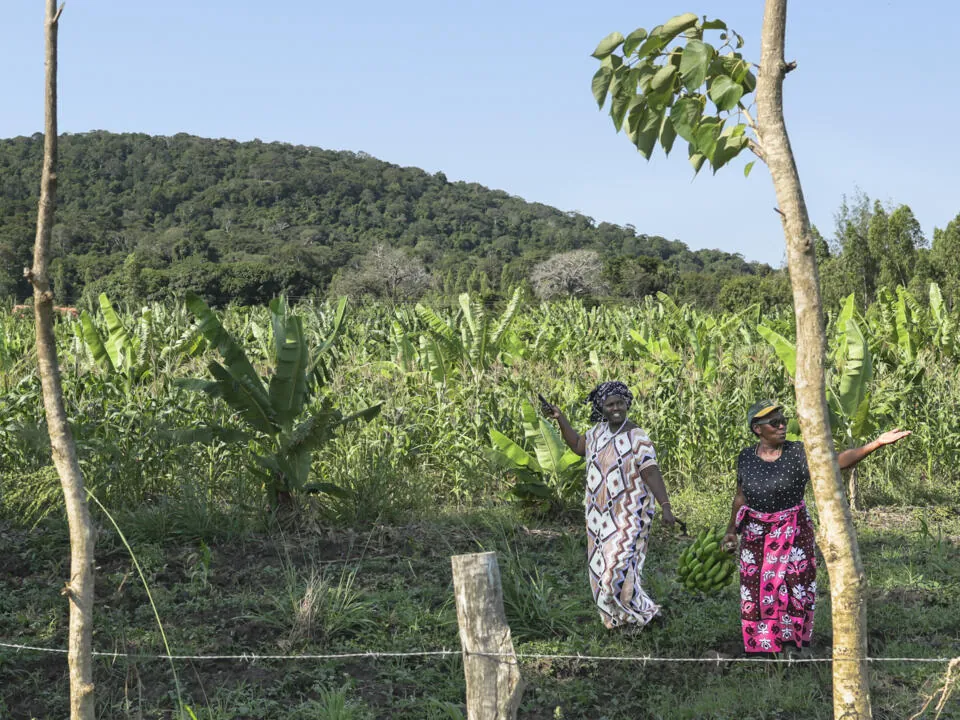
In Lunga-Lunga, in Kwale County near the Tanzanian border, Mrima Hill rises above farms and villages. Beneath it lies a deposit of niobium and rare earth elements that has drawn interest from some of the world’s most powerful economies.
Government figures put the hill’s indicated niobium resources at 5.8 million tonnes, with a further 17.5 million tonnes inferred, both at a grade of 1.41% niobium oxide. Recent geological work has also confirmed yttrium, thorium, strontium and lanthanum.
Why the world cares
Niobium strengthens high-performance steel used in pipelines, vehicles and construction. Rare earths are essential for the permanent magnets in electric motors, wind turbines and electronics. Global supply of both is concentrated in a few countries, and governments are racing to secure alternatives.
Six firms from the United States, Australia and China are reported to be competing for development rights. Australia’s RareX and US-based Critical Metals Corp were selected in July to compete, and Mining Cabinet Secretary Hassan Joho has said talks with Washington involve the US Departments of Commerce, Defence and State.
We have agreed that the minerals will be processed in Kenya.
President William Ruto, speaking at the G7 summit
Beijing’s warning
On October 13, Chinese President Xi Jinping set out four principles for China–Africa mining cooperation, including African ownership of resources and mutual benefit. According to Xinhua, he said Africa’s resources “should not become tools of geopolitical struggle”.
Ethiopia has also signalled interest in processing Kenyan minerals, days after launching its first gold refinery. President Ruto has responded that Kenya’s priority is adding value locally.
Questions still to answer
Exploration at Mrima Hill dates back to the 1930s, with further work in the 1950s. What is new is the scale of international competition and the government’s insistence on local refining, which it links to jobs, technology transfer and industrial growth.
Several questions remain open: how the winning bidder will be chosen and how transparent that process will be; what share of the benefits will reach communities living around the hill; and how environmental safeguards will be enforced. How Kenya answers them will shape not only Kwale’s future, but the country’s place in the global minerals economy.