This is a Nairobi Post editorial.
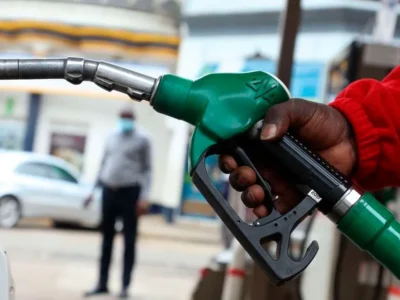
For months, the Kenyan shilling’s calm around the Ksh129 to the dollar mark has been one of the economy’s quieter success stories. This month showed its limits. On October 15, the Energy and Petroleum Regulatory Authority raised super petrol by Ksh12.93 a litre, diesel by Ksh9.90 and kerosene by Ksh28.49, citing higher landed costs of imported fuel.
A stable currency cannot shield households from a rise in world oil prices. It can only stop that rise from being made worse.
Where it hurts first
Fuel is never just fuel. It flows into matatu fares, food prices and the cost of running a small business. The sharpest increase fell on kerosene, which many low-income households still rely on for cooking and lighting, a reminder that the families with the least room in their budgets often absorb the biggest shocks.
Remittances from Kenyans abroad, which help support the shilling, dipped in September, and analysts have warned of short-term pressure as the oil import bill grows. Usable reserves of about 5.9 months of import cover give the Central Bank room to manage, but not to work miracles.
Targeted, transparent relief
- Publish clearly how monthly pump prices are calculated, so the public can follow the numbers.
- Direct any relief to where it protects the most vulnerable households, such as kerosene, rather than spreading it thinly.
- Keep investing in reliable public transport and cleaner cooking options that reduce long-term exposure to oil prices.
Kenyans cannot control events in the Middle East. But they can expect clear communication and well-aimed policy from those who manage the economy. When prices rise, trust depends on both.