Kenya’s economy grew by 5.1% in the second quarter of 2026, up from 4.9% in the same period last year, according to the latest quarterly figures from the Kenya National Bureau of Statistics (KNBS).
The bureau described the economy as resilient despite significant headwinds, chief among them a sharp rise in global energy prices. The average price of crude oil climbed to US$104.45 a barrel in the quarter, from US$67.44 a year earlier.
Where the growth came from
- Electricity and water supply: 7.7%
- Accommodation and food services: 7.4%
- Information and communication: 7.2%
- Financial and insurance activities: 6.1%
- Construction: 6.0% (down from 7.3%)
- Transportation and storage: 4.4% (up from 3.3%)
Electricity sales rose 15% and wind power generation increased 13.5%, while thermal generation fell 16.3%. Cement production grew 10.5% and output of galvanised sheets jumped 19.7%, pointing to continued activity in building and construction.
Agriculture slows
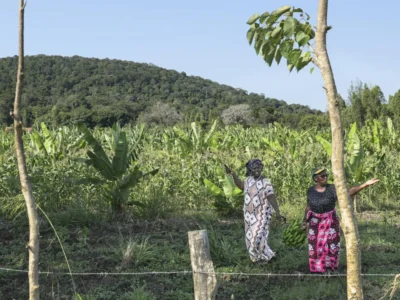
Agriculture, forestry and fishing grew 3.5%, slower than the 4% recorded a year earlier. KNBS linked the slowdown partly to the early end of the March–May long rains, which affected crop output. Tea production still rose 11.1%, but milk intake by processors fell 3.1% and fruit exports dropped 5.8%.
The figures will be closely watched by policymakers as fuel prices rise again in October and the government extends VAT relief on petroleum products. How long the energy shock lasts is likely to shape growth in the second half of the year.