With the festive season approaching in this El-Nino season, many Kenyans are already thinking about travelling upcountry, visiting relatives or heading to the Coast for Christmas holidays.
But before packing the suitcases and hitting the road, motorists may want to pay closer attention to the weather. Kenya’s November rains are bringing showers and thunderstorms to several parts of the country, making vehicle preparation and travel planning particularly important.
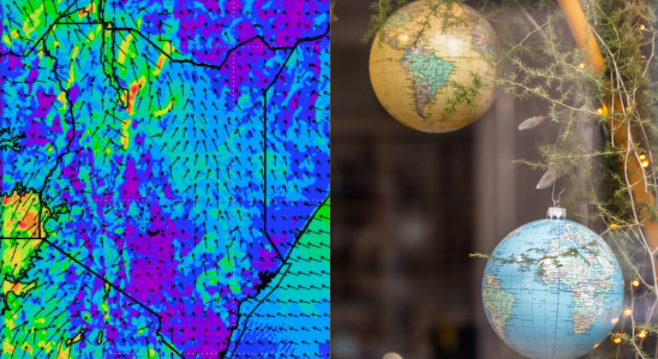
The Kenya Meteorological Department’s daily forecast issued on November 15, 2026, valid from 9pm that evening to 9pm on November 16, 2026 indicated that light to moderate rainfall is expected across several counties. Some areas could also experience thunderstorms, while parts of Marsabit and Turkana are expected to experience strong southerly to southeasterly winds exceeding 25 knots (46.3km/hr).
The forecast identified Tana River and Taita Taveta among the counties likely to experience moderate showers and thunderstorms in some areas. Nakuru, Narok, Kitui, Kisii and Nyamira counties were also among the counties where showers and thunderstorms are expected. Nairobi residents were advised to expect partly cloudy conditions, with light showers possible in a few places. Along the Coast, Mombasa, Kilifi and Kwale, sunny intervals are expected but accompanied by occasional light showers.
Although this particular forecast covered only a 24-hour period, it offered a timely reminder for families planning longer journeys over the coming weeks- weather conditions can change along the route and a sunny departure point does not guarantee a dry destination.
So then, is your car ready for the rainy season?
For motorists, the first step should be a proper vehicle inspection before embarking on long-distance journeys. Tyres deserve particular attention because worn-out treads reduce grip on wet roads and increase the risk of skidding. Drivers should also have their brakes, headlights, indicators, windscreen wipers and battery checked.
A functional spare tyre, jack, wheel spanner, reflective warning triangles and first-aid kit should be part of every vehicle’s emergency essentials. It is also worth checking engine oil, coolant levels and windscreen washer fluid. Anyone planning to travel with children should carry drinking water, snacks, warm clothing and any necessary medication.
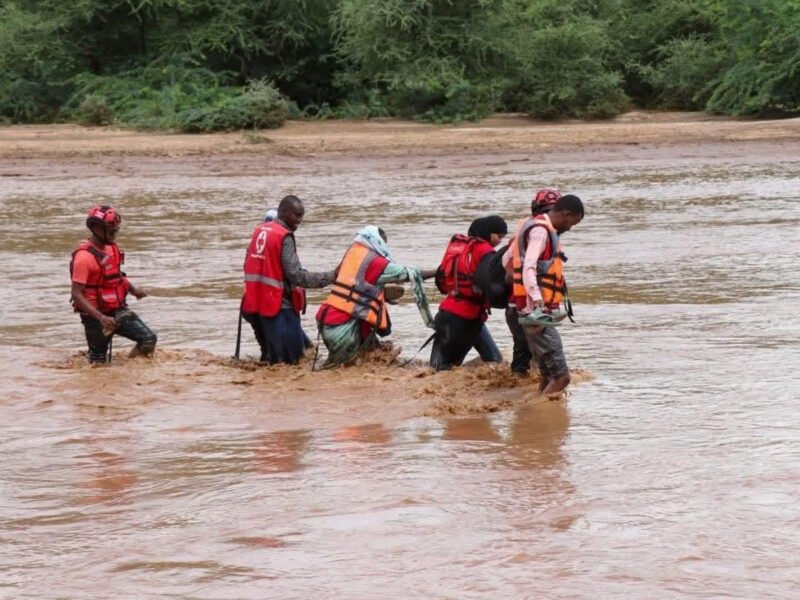
On the road, motorists should reduce their speed, maintain a longer following distance and avoid sudden braking or sharp turns. Headlights should be switched on when visibility is poor, and drivers should never attempt to cross flooded sections of road, even when the water appears shallow. If visibility becomes severely limited or a storm intensifies, finding a safe place to stop is better than risking an accident.
Health concerns should not be left unaddressed too.
Wet weather calls for greater attention to household and personal hygiene. Floodwater and contaminated drinking sources can expose communities to waterborne illnesses such as cholera, typhoid and other diarrheic infections.
Families travelling to rural homes should ensure they have access to safe drinking water, particularly where water supplies may be affected by heavy rainfall.
Standing water can also create breeding grounds for mosquitoes, increasing the risk of malaria and other mosquito-borne infections. Travelers should use mosquito repellents, sleep under treated nets where necessary and avoid leaving stagnant water around their homes.
Children, older people and those with existing respiratory conditions may also need extra care during colder, wet weather. Warm clothing, dry sleeping spaces and early medical attention when someone develops persistent fever, breathing difficulties or severe diarrhoea are important precautions.
The Ministry of Health urged households to use treated or boiled water when its safety is uncertain, maintain proper handwashing practices and seek medical attention when concerning symptoms develop.
Thus, we can plan ahead but should remain flexible.
Christmas travel is an opportunity to reconnect with family and enjoy a well-deserved break, not a journey that begins with preventable vehicle trouble or avoidable health risks. Motorists should check weather updates before departure, plan alternative routes where necessary and allow extra travelling time.
Travelers should consult updated Kenya Meteorological Department advisories closer to their departure dates. A little preparation now could make the difference between a stressful journey and a safe arrival. The best Christmas gift is getting to your destination and back home safely.