Kenya is edging closer to a major public health milestone, with 37 days remaining before the country could officially be declared free of Ebola, provided no new infections are recorded.
The countdown began on November 12, 2026, following the discharge of the last patient receiving treatment for Bundibugyo Ebola Virus Disease and the release of the final 11 people who had been under monitoring. If the country records no new cases during the 42-day period, Kenya is expected to receive an Ebola-free declaration on December 23, 2026, just two days before Christmas.
The announcement by Health Cabinet Secretary Aden Duale on November 11, 2026, marked an important turning point in the country’s response to the outbreak, which was first confirmed on October 6, 2026. Kenya recorded nine confirmed cases linked to one transmission cluster. Seven patients recovered, while two died. All 135 identified contacts were traced and monitored, with no evidence of community transmission reported.
However, the Ministry of Health cautioned that the discharge of the last patient does not mean the response is over. The remaining days will be critical in establishing whether the virus has been fully contained.
The 42-day period is twice the longest known incubation period of Ebola. It gives health authorities time to establish whether anyone exposed to the virus develops symptoms after the last patient has been discharged.
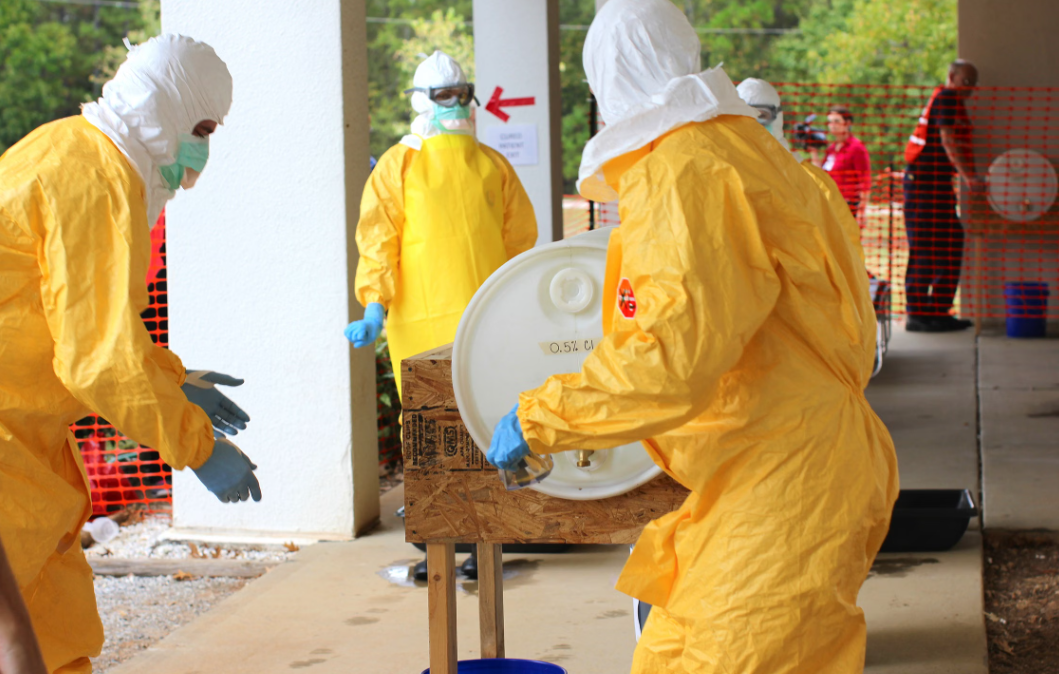
The Ministry’s immediate focus in these remaining 37 days will be maintaining heightened surveillance across all 47 counties. Rapid response teams will remain on standby to investigate alerts, while health facilities and communities are expected to report suspected infections promptly.
Screening at points of entry will also continue to identify travelers who may have been exposed to the virus, particularly those arriving from areas experiencing transmission. The government will sustain its preparedness to test, isolate and manage suspected cases should another infection be detected.
Survivors will also continue receiving follow-up care and support as they recover and reintegrate into their communities. The Ministry will also work with county governments, health facilities and development partners to maintain the response until the required conditions for declaring the outbreak over have been met.
As the Ministry carries out its duties, there are expectations placed on Kenyans to prevent another outbreak. What is expected of them?
Ebola spreads through direct contact with the blood and other bodily fluids of an infected person or contaminated materials. It is not transmitted through ordinary casual contact or simply sharing public spaces. Understanding how the disease spreads can help people take sensible precautions without creating unnecessary fear or stigma.
Kenyans should avoid direct contact with the bodily fluids of anyone suspected to have Ebola. They should also avoid handling the bodies of people who may have died from the disease, as the virus can be transmitted through contact with an infected person’s body after death. Suspected cases and unexplained deaths should be reported to health authorities.
Anyone experiencing symptoms such as fever, unusual weakness, headache, muscle pain, vomiting, diarrhoea or unexplained bleeding should seek medical attention immediately, especially if they have travelled to an affected area or had contact with a suspected case.
The public should also practice regular handwashing with soap and clean water, follow instructions from health officials and avoid spreading unverified information. People identified as contacts must cooperate with health teams and complete the recommended monitoring period.
The Ministry also urged anyone who develops Ebola-like symptoms, particularly after travelling to an affected area, to seek early medical attention and call the toll-free 719 hotline for assistance.
Kenya’s progress has been made possible by the cooperation of health workers, contact tracers, laboratory teams, county governments, development partners and members of the public.
The coming weeks will test whether that cooperation can be sustained. Although the government has confirmed that the country remains open for business, tourism, trade and travel, vigilance remains essential.
For Kenyans, the message is simple: remain informed, report symptoms early, cooperate with health workers and avoid unnecessary panic.
An Ebola-free declaration on December 23 would be a significant achievement for the country but before celebrating, Kenya must successfully complete the final stretch of the countdown. The responsibility of keeping the country safe rests not only with the Ministry of Health, but with every Kenyan.