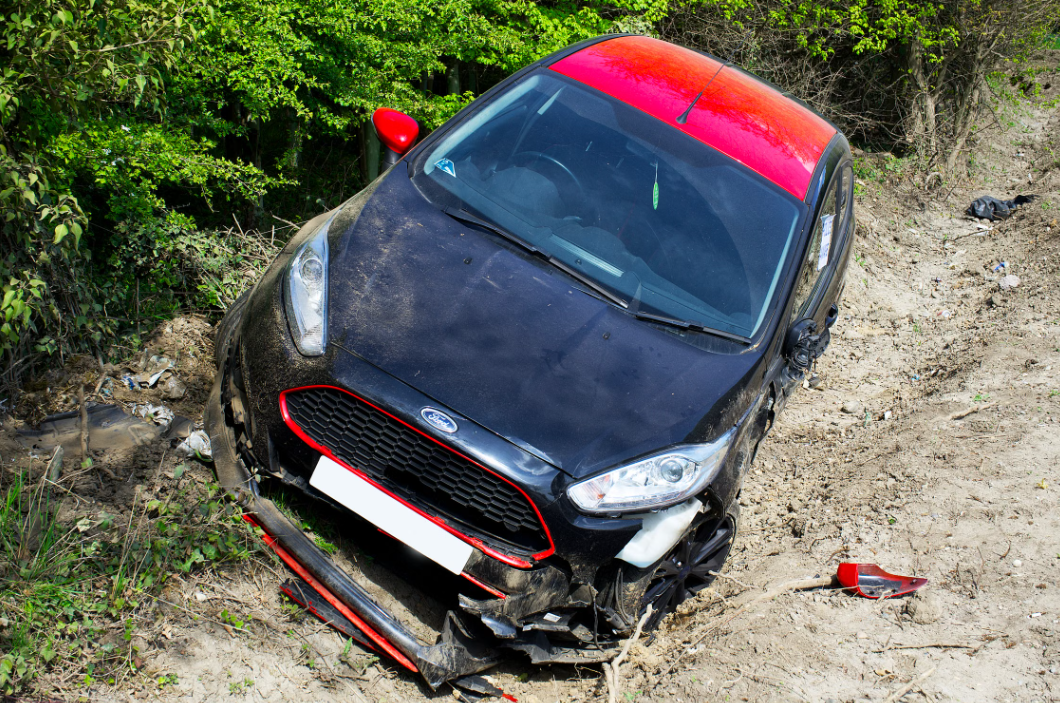
Have you ever noticed how, in some road accidents, it is the left side of the Kenyan vehicles that appears badly damaged?
Doors are crushed, windows shattered and passenger seats left dangerously exposed while the driver’s side seems to have escaped much of the impact. Is this simply coincidence or could there be something about how we use Kenyan roads that makes the passenger side more vulnerable?
In Kenya, majority vehicles are right-hand drive, meaning the driver sits on the right while the front passenger occupies the left. Since motorists drive on the left side of the road, the passenger side is generally closer to the roadside. This places it nearer to pedestrians, cyclists, parked vehicles, roadside stalls, drainage channels and other stationary obstacles.
Consider a driver who loses control and veers off the road. Depending on the direction of movement, the left side could strike a tree, wall, parked vehicle or roadside structure. Even when two vehicles collide, their positioning, turning angles and direction of travel can leave one vehicle’s passenger side absorbing the impact.
The situation can also arise during overtaking and encounters with oncoming traffic. A motorist attempting to avoid a head-on collision may swerve towards the roadside, potentially exposing the passenger side to a different hazard. At junctions, roundabouts and narrow roads, vehicles turning across traffic can also be struck along their sides.
Some drivers, when faced with an oncoming vehicle or an imminent collision, instinctively swerve towards the driver’s side to protect themselves from the impact. This means steering towards the right, potentially pushing passengers closer to roadside hazards such as trees, oncoming vehicles, parked vehicles, pedestrians or drainage channels. While the reaction may be an attempt at self-preservation, it can leave passengers bearing the consequences of a split-second decision.
Many accident scenes observed in the past few years raise an important question. How protected are passengers when a collision happens?
Unlike the front and rear of many modern vehicles, which are designed with crumple zones to absorb collision energy, the sides have less space to cushion occupants. A direct side impact can push doors and other structures into the passenger compartment. The consequences can be particularly serious when the collision happens at high speed.
Passengers can take precautions before travelling, especially with this peaking Christmas travel rush. Insist on wearing a properly fitted seat belt, whether seated in front or behind. The lap belt should rest across the hips, while the shoulder strap should cross the chest. Children should use suitable child restraints. Avoid resting feet on the dashboard, leaning against doors or travelling with unsecured heavy luggage that could become dangerous during sudden braking.
Passengers should also pay attention to the driver’s behavior. Speak up when someone is speeding, overtaking dangerously, using a phone or driving while exhausted. During this busy Christmas travel season, choosing a safe vehicle and refusing to board an overloaded or poorly maintained matatu could make a difference.
Drivers, meanwhile, should check their tyres, brakes, lights and seat belts before travelling. Maintain a safe following distance, slow down in poor weather, approach junctions carefully and avoid unnecessary overtaking. If a collision appears unavoidable, brake firmly and steer smoothly towards an available safe space rather than making a sudden, uncontrolled maneuver. Keep both hands on the steering wheel and avoid swerving into pedestrians or oncoming traffic.
Whether the left side is genuinely more vulnerable or simply more noticeable in certain accidents, passengers should never assume that sitting away from the steering wheel makes them safer. The question worth asking then will be, “When you enter a vehicle this Christmas, how much thought do you give to the person responsible for getting you home safely?”