In their weekly weather forecast issued on Monday, November 16, 2026, in light of the El Nino season, the Kenya Meteorological Department identified the top potential impacts of the continued rainfall currently being experienced in 36 of 47 Counties.
The Department listed Bomet, Busia, Embu, Garissa, Homa Bay, Kajiado, Kakamega, Kericho, Kiambu, Kilifi, Kirinyaga, Kisii, Kisumu, Kitui, Kwale, Laikipia, Lamu, Machakos, Makueni, Meru, Migori, Mombasa, Murang’a, Nairobi, Nakuru, Nandi, Narok, Nyamira, Nyandarua, Nyeri, Siaya, Taita Taveta, Tana River, Tharaka-Nithi, Vihiga and Wajir Counties where rainfall will continue to be expected.
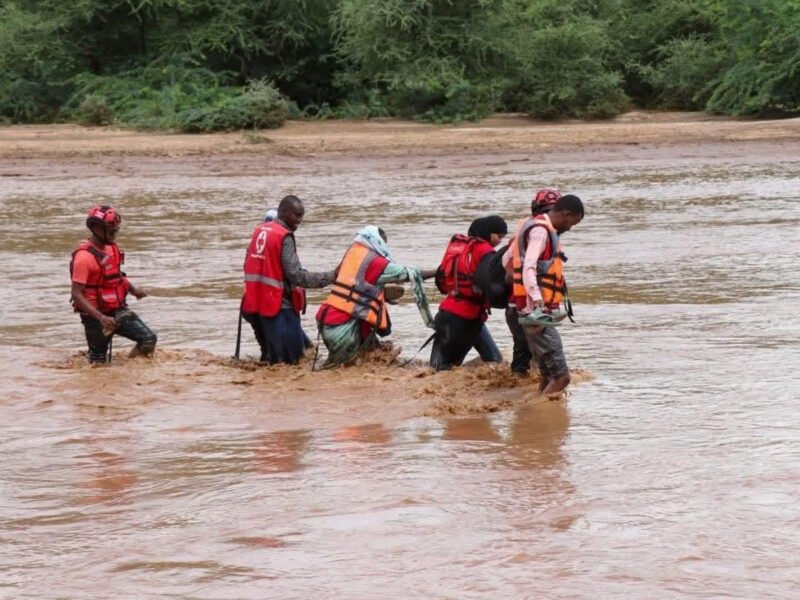
“Continued rainfall may result in localized flooding, flash floods in susceptible areas, waterlogging, soil erosion and temporary disruption of transport, particularly in low-lying areas, urban settlements and poorly drained locations. Rising water levels in rivers and other water bodies may also pose risks to communities living downstream,” said the Department in their statement.
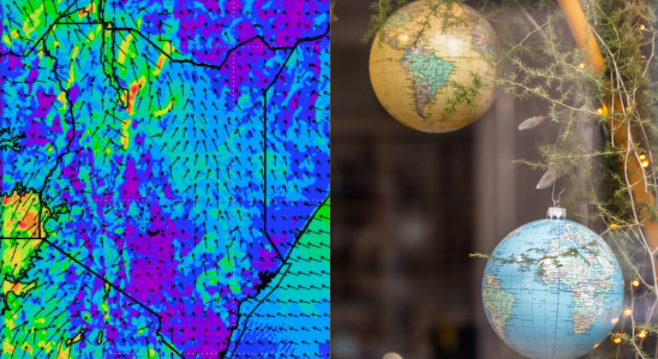
El Niño is a natural climate phenomenon characterized by the unusual warming of surface waters in the central and eastern tropical Pacific Ocean, which influences weather patterns across the world. In Kenya, it is commonly associated with above-average rainfall, particularly during the October–December short rains season, increasing the risk of flooding, landslides, soil erosion and damage to roads, homes and other infrastructure.
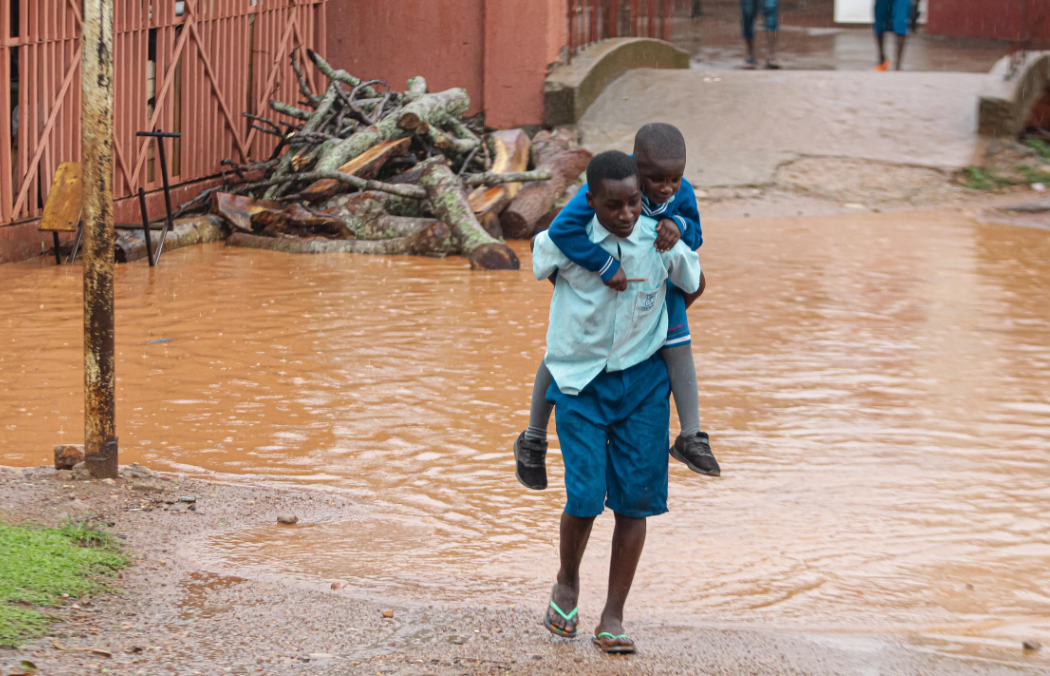
Heavy rainfall can also destroy crops, displace families, disrupt transport and businesses; and cause livestock losses. In addition, stagnant water and contaminated water sources can contribute to the spread of diseases such as malaria, cholera and typhoid.
The Department further issued advisories and recommended actions, saying, “Residents in flood-prone areas and along riverbanks are advised to remain vigilant and monitor changing weather and river conditions. Avoid crossing flooded roads, bridges and swollen rivers, whether on foot or by vehicle. Keep children away from rivers, drainage channels and flooded areas.”
It went on, “Clear drainage systems around homes and institutions to minimize localized flooding. Residents in landslide-prone areas should remain alert to possible slope instability. County governments and disaster management agencies are encouraged to enhance preparedness, monitor vulnerable locations and strengthen emergency response arrangements. The public is advised to follow official weather updates and guidance from relevant authorities.
As of November 17, 2026, Kenya has already experienced weather-related damage during the year, and the October–December rains are now bringing fresh reports of destruction. Some of the reported effect include strong winds causing destruction at Dunga Beach in Kisumu County where it was reported that four hotels and makeshift structures were flattened. Four people were injured and traders counted losses. Heavy rains and strong winds also destroyed homes and crops in Vihiga County.
Kenyans are already counting the cost of extreme rainfall even as meteorologists warn that the heaviest part of the season may still be ahead. This means the full impact of El-Nino is yet to be experienced.
The Ministry of Health previously warned of increased risk of waterborne and mosquito borne diseases as well as authorities warning of approximately 1.5 million people in Nairobi will be affected by flood threats due to settling along riverbanks, blocked drainage systems, poor urban planning and loss of wetlands.