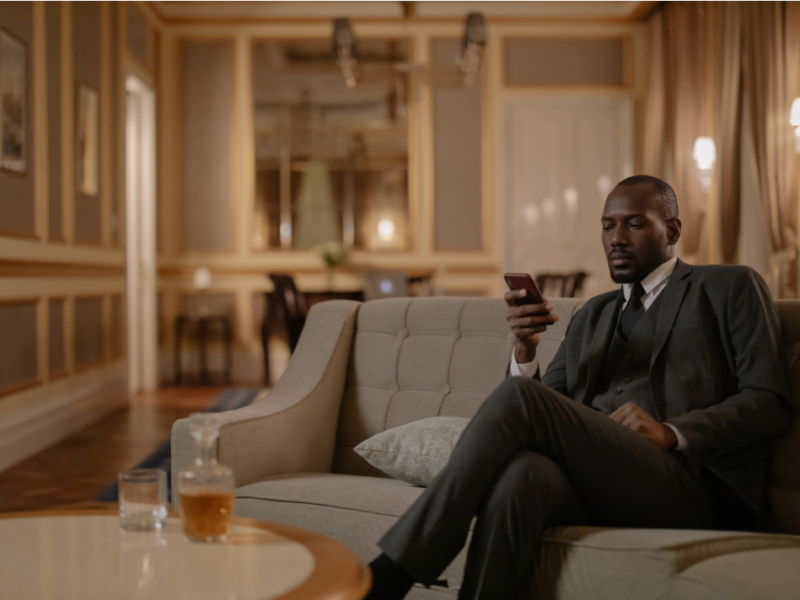
For years, the popular message to young people has been simple. Work harder, earn more, build something and keep pushing.
If you are not pursuing another education or professional qualification, starting a business, working overtime or looking for an additional source of income, it can sometimes feel as though you are falling behind.
But increasingly, some people are questioning whether life should be one continuous race. They are becoming more interested in slower mornings, quieter weekends, meaningful hobbies and having enough time to enjoy the lives they are working so hard to build.
This is the appeal of slow living, a lifestyle that encourages people to be more intentional about how they spend their time, energy and resources. It does not mean abandoning ambition or refusing to work. Rather, it challenges the idea that being constantly busy is proof of success.
In Kenya, where many households are juggling demanding jobs, business expenses, family responsibilities and rising living costs, the attraction is understandable. For some, the daily routine can feel like an endless cycle of waking up two hours earlier, commuting in heavy rush hour traffic that can occur up to three times a day, working, handling household responsibilities and preparing to do it all again the following day.
Even weekends are not always restful. There are errands to run, relatives to visit, children to attend to, side hustles to manage and unfinished tasks waiting at home. By Monday morning, some people are already exhausted.
The slow-life approach encourages a different relationship with time. Instead of filling every available hour with activities, people are learning to leave room for rest. This could mean taking a morning walk, preparing a meal without rushing, reading a book, gardening, spending time with family or enjoying an afternoon without constantly checking the phone.
There is also a growing interest in hobbies that offer relaxation without the pressure of competition. Activities such as painting, pottery, running, baking, journaling and learning new skills allow people to enjoy themselves while doing something beyond work. For others, a simple visit to a park, a quiet coffee date or an evening listening to music is enough.
Social media has helped make these lifestyles more visible. Videos showing peaceful morning routines, organized homes, home-cooked meals and quiet weekend activities have attracted audiences who are drawn to the idea of a less hurried existence.
However, there is a contradiction worth considering. A lifestyle promoted as an escape from pressure can easily become another standard people feel compelled to achieve.
The so-called soft life can also be expensive when presented as an endless collection of holidays, luxury brunches, expensive skincare products and designer purchases. Not everyone can afford that version of relaxation and they should not be made to feel inadequate because of it.
Slow living does not require a luxury apartment, a flexible job or a holiday abroad. It can begin with small, affordable decisions. Someone might prepare meals at home instead of constantly buying takeaway, reduce unnecessary social commitments, spend less time scrolling through social media or create a simple evening routine that allows them to rest.
It also involves learning to say no. Not every invitation requires attendance, not every opportunity must be pursued and not every family or social expectation should come at the expense of personal wellbeing. Sometimes, protecting your time is just as important as earning money.
Of course, slow living should not become an excuse to neglect responsibilities or avoid necessary challenges. Bills still need to be paid, careers need attention and families require care. The goal is to create a healthier balance rather than pretend that life’s demands will disappear.
Perhaps the most important question is not how much someone earns or how many activities they can fit into a day, but whether they have enough time and energy to enjoy what they are working for. Success should not leave people permanently exhausted. There must be room for balancing ambition and room for living.