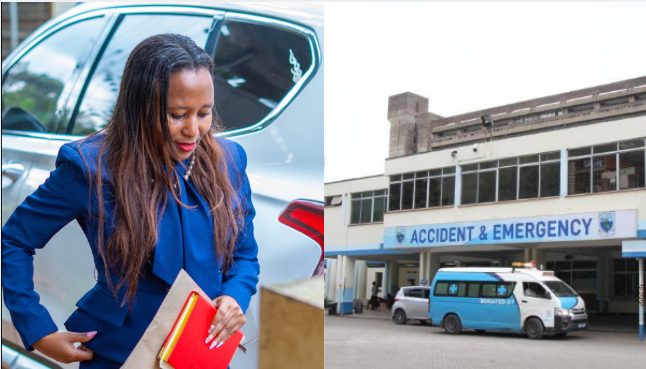
In October 2022, Baby Travis Maina could not access medical emergency care after suffering a freak accident in which the metal spikes of a garden fork (fork jembe) lodged deep into his skull.
His mother rushed him to Thika Level 5 Hospital and later transferred to Kenyatta National Hospital, the largest referral and teaching hospital in East and Central Africa, for specialized care. His mother, Judy Muthoni later told the Senate Health Committee of the trauma they endured when they sought medical assistance.
She revealed that the hospital demanded Ksh 20,500 before the toddler could be admitted into hospital or properly treated to save his life. They waited 14 hours without receiving any medical attention.
On October 11, 2022, when baby Travis was finally taken into surgery, his health had become more complicated due to blood loss and stabilization issues- and he lost his life.
This sparked national outrage over the hospital negligence regarding a severe medical emergency situation and demanding money first before treatment.
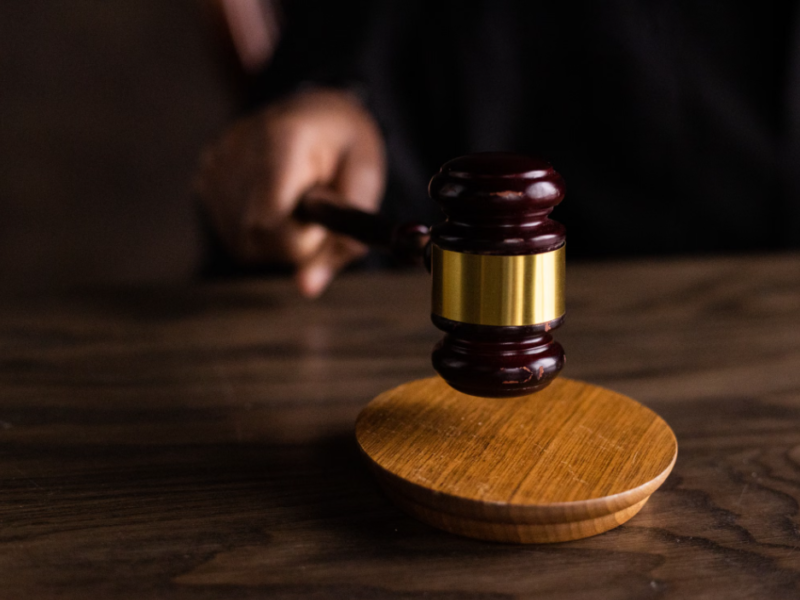
It is Baby Travis’ unfortunate demise that prompted Kirinyaga Woman Representative Njeri Maina to table The Health (Amendment) Bill,2024, in the National Assembly to ban hospitals from demanding money first before giving life saving treatment in emergency cases.
“Do you remember baby Travis, who couldn’t get emergency medical attention at KNH because his mother could not raise Kshs. 20,000 deposit This bill is FOR him and families like his. The Health Amendment Bill makes it mandatory (with fine of up to Kshs. 3,000,000) to offer critical medical care without demanding for monetary deposit!” said Ms Maina on November 11, 2026.
The Bill- and Ms Maina by extension- won praise from Kenyans across the political divide, with many suggesting the Bill be renamed The Travis Bill.
Nairobi Post sampled some Kenyans’ responses to the Bill as follows:
“You should name it The Travis Bill. It will be more impactful especially when a hospital tries to deny a patient admission and someone just says, “Do you know what the Travis Bill says?” Rather than “Do you know what the hospital amendment bill says?” Thank you so much for this bill,” said James Kirugi.
“I MUST applaud Hon. Njeri Maina for the The HEALTH AMENDMENT BILL, 2024. Whether TUTAM or WANTAM, the bill gives dignity to Kenyans seeking Medical attention, with or without financial muscle. Kudos, Hon Njeri Maina,” added Antony Malakwen.
“No family should ever be denied emergency medical care because they cannot afford a deposit. Saving lives must always come before money. A welcome step towards a more humane and accessible healthcare system,” opined Kelvin Mugendi.
“Thank you, Mheshimiwa, for standing up for the right to life and access to emergency healthcare. No one should be denied critical medical attention because of their financial situation. Human life must always come first,” said Princess Princes.
“ what is the work of SHA because NHIF was not discriminating anyone provided you are registered and paying the 300 bob one could get services,” asked Chiguba Alloyo.
The National Assembly successfully passed the Bill during its Third reading, and will ow be forwarded to the Senate for review, debate and concurrence. Senators will evaluate it and either pass it as it is or propose amendments before it is forwarded to State House for the presidential assent and enactment.
In addition to banning upfront emergency deposits, the Bill also sought to ban body and patient detention in hospital morgues and wards respectively as collateral for unpaid medical bills, introducing penalties of up to KSh 2 million for public officers who authorize it.