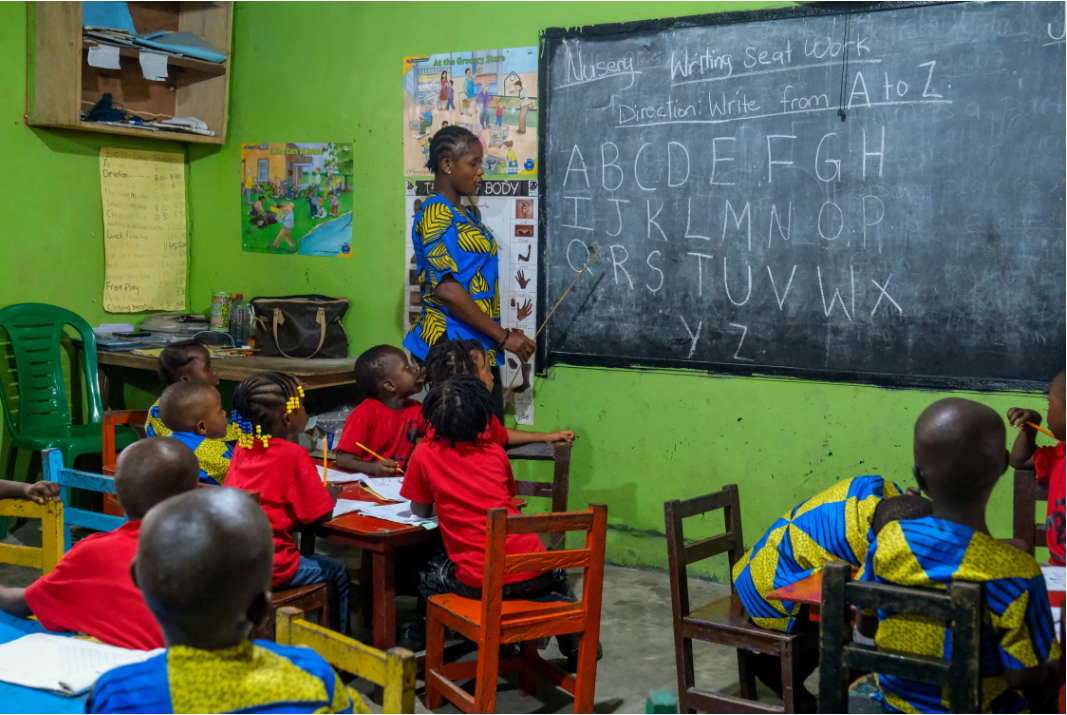
The Kenyan government is expected to recruit an additional 16,000 teachers by January 2027 in a move aimed at addressing staffing shortages in public schools as the country continues implementing the Competency-Based Education curriculum.
The announcement was made by Teachers Service Commission (TSC) Acting Chief Executive Officer Evaleen Mitei during the Kenya Comprehensive Schools Heads Association conference in Mombasa. The recruitment is separate from the 7,720 replacement vacancies recently advertised by the Commission.
While the announcement offers hope to thousands of unemployed and qualified teachers, it has also stirred conversations about where successful candidates could end up working.
Among the concerns circulating underground among teachers is the belief that postings could be guided by the county indicated on the back of their national identity cards. Although this claim has not been confirmed as an official TSC policy, the possibility of being deployed far from home has revived an uncomfortable question: how many families will have to reorganize their lives around a new job posting?
Love, marriage and the posting letter
For a newly married couple living in Nairobi, the prospect of one partner receiving a posting in Turkana, Mandera or Taita Taveta could be more than an inconvenience. It could mean maintaining two households, paying additional rent, travelling long distances during school holidays and trying to sustain a marriage through phone calls and occasional visits.
For couples with young children, the arrangements could become even more complicated. Who takes care of the children when one parent is hundreds of kilometres away? Who attends school meetings, handles emergencies and manages the everyday responsibilities that come with raising a family?
It is easy to celebrate a job appointment without considering the domestic adjustments that may follow. For some households, a permanent teaching job could mean financial stability. For others, it could introduce a new set of expenses and emotional pressures.
When distance becomes a third person in a marriage
Long-distance relationships require more than expensive bus tickets and daily WhatsApp calls. They demand trust, communication, patience and a deliberate commitment from both partners.
When one spouse is away for months, ordinary marital experiences can become difficult to maintain. Shared parenting becomes less straightforward, companionship is reduced and important family decisions may have to be made over the telephone.
There is also the question of loneliness. A teacher posted away from home may have to build an entirely new social life, while the spouse left behind takes on additional responsibilities. If couples are already struggling with communication, finances or trust, geographical separation can magnify existing problems.
While it would be unfair to suggest that every marriage separated by employment is destined to collapse, many Kenyan families have successfully navigated long-distance arrangements, including those involving teachers, military personnel, healthcare workers and other public servants. The difference often lies in preparation, financial planning and the willingness to work as a team.
Should teachers have a say in where they work?
This is where the conversation needs to move beyond marriage anxiety and into employment policy. Teachers are public servants and the government has a responsibility to distribute them fairly according to staffing needs across the country. Schools in remote and underserved counties deserve qualified teachers just as much as those in Nairobi, Kiambu or Nakuru.
At the same time, teachers are people with families, dependants and established lives. A transparent posting system that considers staffing shortages while allowing reasonable consideration of personal circumstances would be beneficial.
The widespread belief that identity-card details could determine postings should therefore be clarified by TSC rather than left to speculation. Applicants deserve to know the actual criteria before accepting employment.
Ultimately, 16,000 new teaching opportunities are welcome news in a country where thousands of qualified teachers are waiting for employment. But a job should not come with unnecessary uncertainty about a family’s future.
For couples, the lesson is to discuss the possibility of relocation before the appointment letter arrives. For TSC, it is an opportunity to communicate clearly about recruitment and deployment. After all, securing a teaching job should be the beginning of a more stable life, not the beginning of a family crisis.