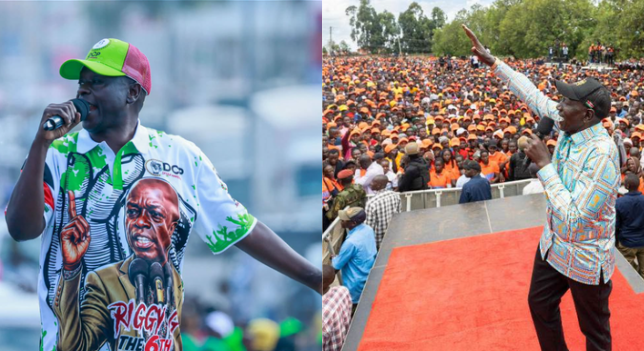
In its November 12 ,2026, research survey on Kenya’s 2027 Electoral Landscape Political Alignment and the Evolving Presidential Contest, TIFA research sought to find out the perceived likelihood of opposition until ahead of the 2027 Election.
575 of respondents said it was very likely that the opposition would unite while 22% said the probability was somewhat likely. 8% said not very likely while 7% said not likely at all. 6% of the respondents were not sure.
To understand the perceived responsibility for disagreements among opposition leaders, TIFA sought to find out among opposition supporters to whom they assigned the blame for disagreements within the opposition, often touted as the united opposition.
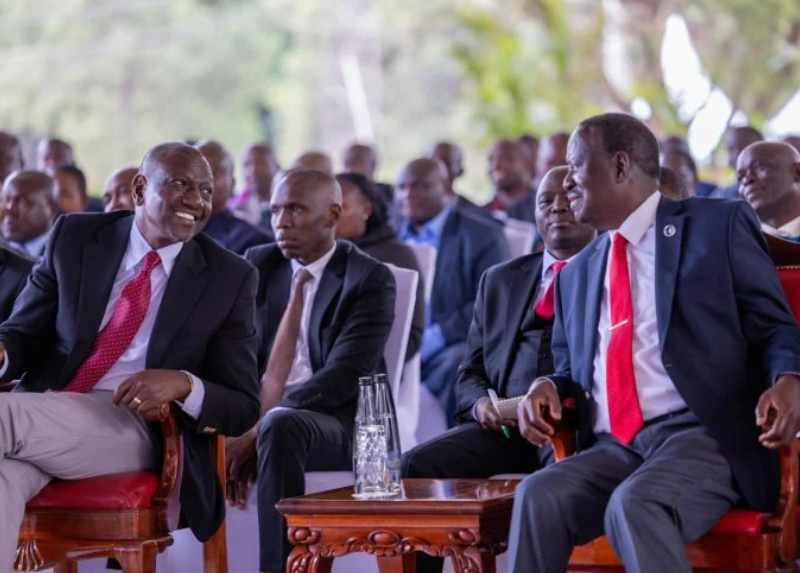
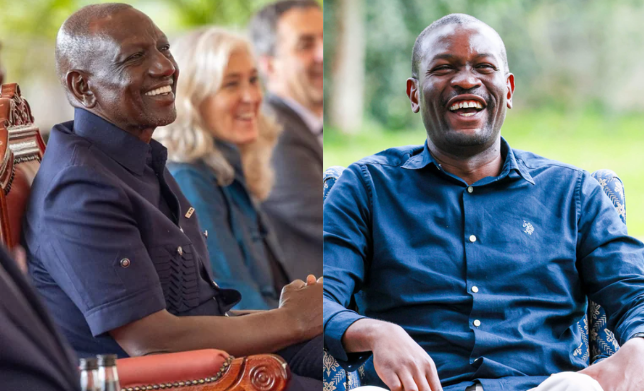
TIFA found that respondents assigned more blame to former deputy president (impeached) Rigathi Gachagua, the party leader of the Democracy for the Citizens Party (DCP) more than incumbent President William Ruto, the party leader of United Democratic Alliance. Gachagua stood at 43% while Ruto came in at 15%.
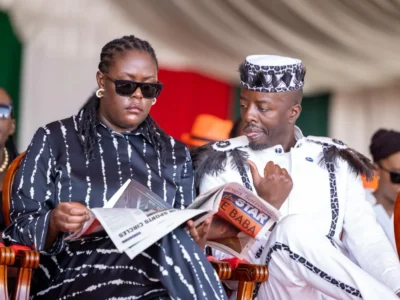
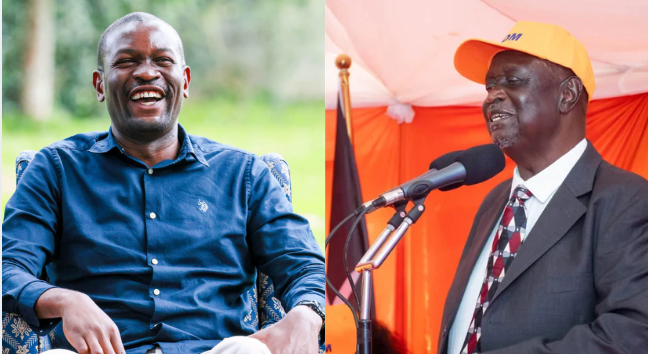
Additional leaders who were assigned responsibility for opposition division included Nairobi Senator Edwin Sifuna at 7%, party leader of the Wiper Patriotic Front (WPF) Kalonzo Musyoka at 6%, Jubilee Party leader Fred Matiangi at 4%, Embakasi East Member of Parliament Babu Owino at 4%, former president Uhuru Kenyatta at 2%, Siaya Governor James Orengo at 2%, Kiharu MP Ndindi Nyoro at 2% and Trans Nzoia Governor George Natembeya at 1%.
The United Opposition has been seeking to bring together Kenya’s major opposition figures to mount a strong challenge against President William Ruto in the 2027 General Election. Its members, including Rigathi Gachagua, Kalonzo Musyoka, Fred Matiang’i, Martha Karua, Eugene Wamalwa and leaders associated with Edwin Sifuna’s Linda Mwananchi, are building their individual political bases while strengthening their influence in different parts of the country. Each leader is using party activities, public engagements and grassroots mobilization to maintain visibility and attract supporters ahead of the polls.
At the same time, the leaders are holding joint consultations and exploring ways to combine their political influence into one electoral force. Their shared objective is to avoid dividing opposition votes by agreeing on a common presidential candidate and campaign platform. By pooling their regional networks, party structures and support bases, they hope to present a stronger alternative to the Ruto administration. Former President Uhuru Kenyatta has also encouraged the leaders to put aside personal ambitions and prioritise unity.
Despite these efforts, the coalition still faces the challenge of managing competing presidential ambitions, negotiating leadership positions and agreeing on how power would be shared. While some leaders continue to advance their individual political interests, they endeavor to demonstrate a willingness to work collectively if they are to build a credible alternative.