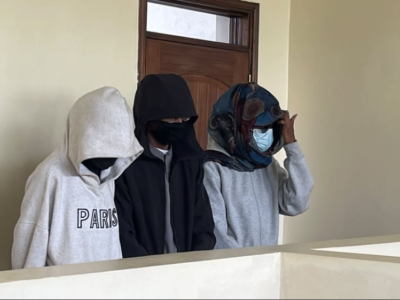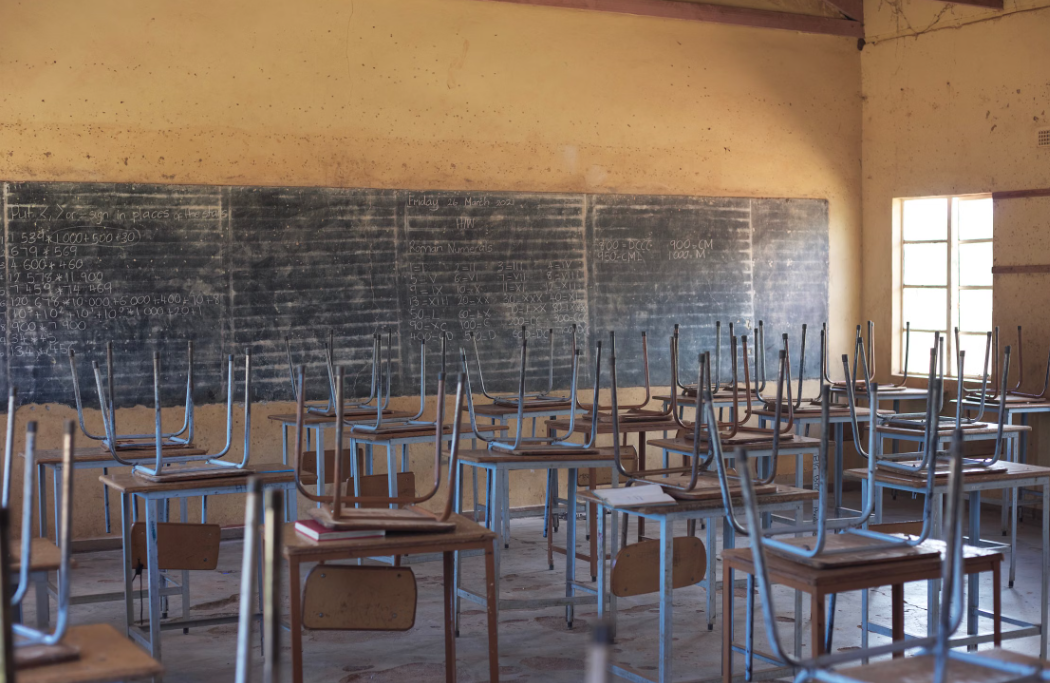
After years of waking up early, rushing to school be it day or boarding, completing assignments and preparing for examinations, thousands of Kenyan teenagers have finally put their Kenya Certificate of Secondary Examination (KCSE) papers behind them. For many, the next destination is university, college or technical training. But what if, instead of rushing into another classroom, your child asked for a year off?
A gap year, traditionally understood as a break between secondary school and higher education, is gaining attention among young people who want time to explore their interests, acquire practical skills or simply recover from years of academic pressure. However, for Kenyan parents who have spent years paying school fees and preparing their children for university, the idea of allowing them to stay out of formal education for another year may not be particularly appealing.
So, is giving your child a gap year a wise investment or an unnecessary delay?
First, teenagers deserve a break. KCSE preparation can be physically and emotionally demanding, and some candidates may need time to recover from the pressure of examinations before taking on another academic challenge. A well-planned gap year can offer an opportunity to rest, rediscover personal interests and make more informed decisions about future careers.
It can also provide practical exposure that classrooms may not always offer. Young people can volunteer with community organizations, intern at businesses, learn digital skills, take short professional courses or explore entrepreneurship. A teenager interested in photography, for instance, could learn video editing, while another interested in business could gain experience helping at a family enterprise.
There is also the question of maturity. Living with some responsibility, managing a small budget, working with different people and learning to solve everyday problems can help young adults become more independent before entering university.
On the other hand, a gap year without structure can easily become a year of wasted opportunities. After the excitement of completing KCSE wears off, some teenagers may settle into routines dominated by sleeping late, gaming, social media and spending time with friends.
Parents may also worry that their children will lose academic momentum. Returning to formal education after an extended break can be challenging, particularly if the young person has not maintained an interest in learning.
There is also the risk of exposure to negative peer pressure, irresponsible relationships, substance abuse and other behaviors that can derail their plans. For families already struggling financially, delaying university or college may also mean postponing an opportunity that required considerable sacrifice to secure.
If parents agree to the arrangement, the year should have a purpose. Young people can enroll in driving lessons, learn a foreign language, take computer and digital literacy courses, pursue coding or graphic design, volunteer, undertake supervised internships or acquire practical skills such as tailoring, baking, photography and electrical installation.
Those interested in business can try small, parent-supervised ventures to understand money management, customer service and entrepreneurship. Others can participate in sports, creative arts, community projects or faith-based activities.
However, a gap year should not become an excuse to abandon responsibility. Spending the entire year partying, sleeping through the day, gambling, engaging in risky relationships or chasing quick-money schemes can leave a teenager worse off than before. Unregulated online jobs and opportunities promising unrealistic earnings should also be approached cautiously.
A gap year should be a joint decision between parents and their children, guided by financial circumstances, career interests and the young person’s readiness for further education. It should come with clear goals, a realistic schedule and regular check-ins rather than being an indefinite holiday.
Completing KCSE is a significant achievement, but it is not a race to see who gets into university first. Sometimes, a year spent discovering one’s strengths, learning practical skills and developing independence could be just as valuable as another year in a classroom. The real question is whether your child would use that time to prepare for life or simply put it on pause.